Senior Dog Joint Health: Daily Habits to Reduce Stiffness
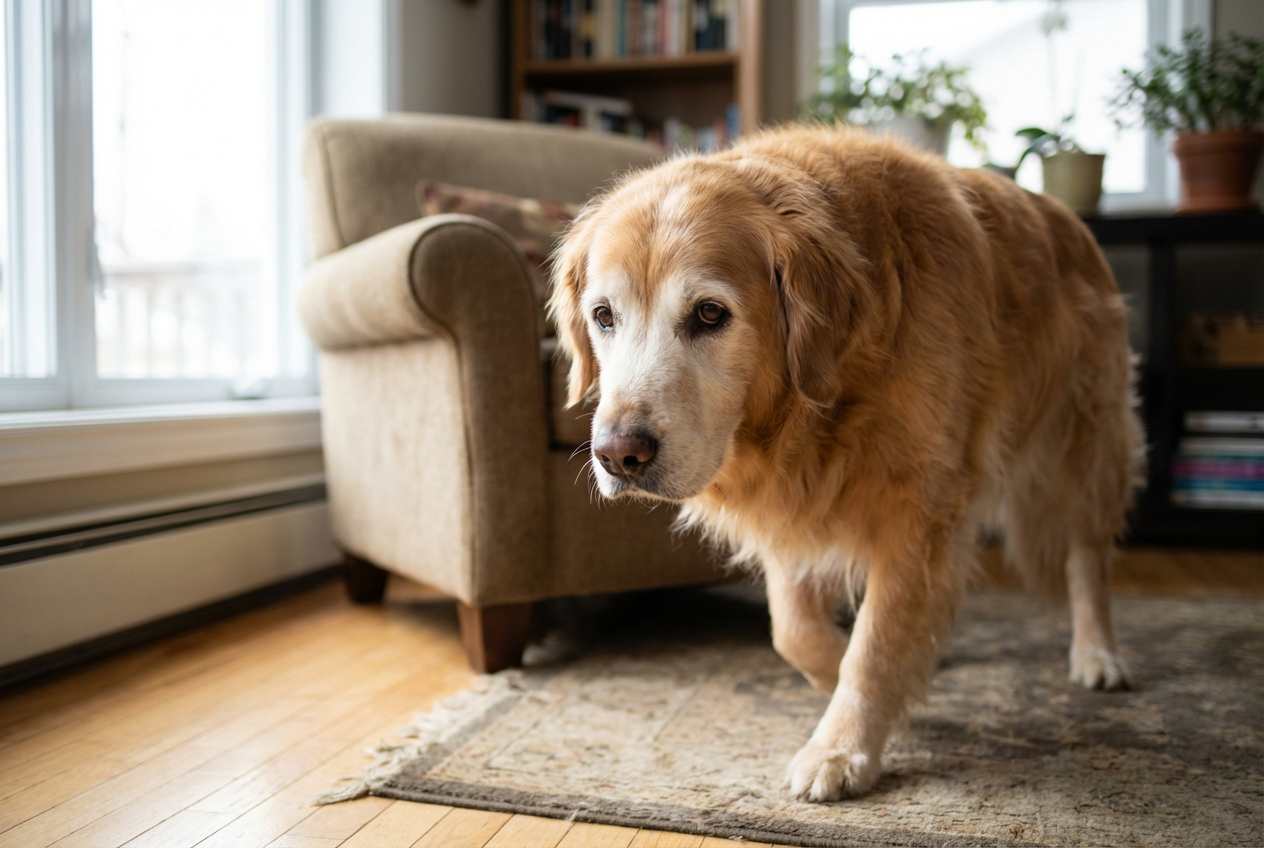
Senior dogs’ joint discomfort often shows up as subtle sleep changes—like restlessness or stiffness. Learn how simple daily habits and better sleep setup can improve comfort and recovery.
As dogs age, joint comfort becomes one of the biggest drivers of quality of life. You might notice small changes first: slower mornings, hesitating on stairs, shorter play sessions, or stiffness after naps. For many pet parents, the hardest part is that joint discomfort can build gradually—so it’s easy to assume it’s “just getting older.”But here’s the helpful shift: joint health and dog sleep are tightly linked. When joints are sore, many senior dogs struggle with staying asleep, switch positions more often, or start avoiding their usual resting spots. If you’re seeing changes in your dog’s sleep patterns, those can be subtle dog sleep signs worth paying attention to—especially for older dogs.The good news: you can often make meaningful improvements with simple daily habits. This guide covers practical steps that support senior joint health, plus how a supportive sleep setup (including a dog bed like WoafyBed) can improve comfort, recovery, and sleep quality.
Why joint comfort often worsens with age
Senior dogs tend to:
spend more time resting (more hours of sleep and more hours in one position)
have slower recovery after activity
lose muscle mass if activity levels drop
become more sensitive to cold floors, drafts, and hard surfaces
Even if your dog remains active, sleep and recovery matter more over time. Joints and muscles do a lot of repair work while resting—especially during deeper stages of the sleep cycle, including rapid eye movement REM sleep.
Dog sleep as a “signal”: joint discomfort often shows up at night
Many pet parents start by searching “dog sleep problems signs” because sleep is where changes become obvious. Some common sleep signs that may be linked to joint discomfort include:
difficulty settling down or frequent repositioning
pacing at night or switching sleep spots repeatedly
reluctance to lie down fully, or “half-sitting” to avoid pressure
stiffness after naps (a classic dog sleep sign in senior dogs)
waking up cranky, withdrawn, or unusually tired during the day
These dog sleep signs don’t automatically mean something serious, but they are important clues—especially in senior dogs whose joints need more support during long rest periods.
6 daily habits that support joint health
1.Replace “weekend warrior” activity with consistent movement
A long hike once a week can be tougher on joints than short, consistent walks. For both an adult dog and older dogs, consistent low-impact movement supports circulation, muscle tone, and comfort.Try this:
2–3 short walks/day
keep pace steady (no sudden sprints)
use gentle inclines instead of stairs when possible
adjust distance based on activity levels that day (more isn’t always better)
Why it helps dog sleep: better daytime movement often leads to a more stable sleep schedule at night.
2. Warm up before activity (yes, for dogs too)
A quick warm-up reduces stiffness and helps your dog move more smoothly.2-minute warm-up routine:
slow walk around the house
a few “treat lures” (nose-to-shoulder, nose-to-hip)
calm praise and a steady pace
Why it helps dog sleep: fewer “micro-strains” during the day can mean less soreness at bedtime and fewer sleep issues overnight.
3. Choose traction over slippery floors
Slipping forces awkward joint angles and can increase soreness.Easy fixes:
add runners or rugs in hallways
place a mat near food/water bowls
trim nails to support grip
use non-slip socks if your dog tolerates them
This is especially important for older dogs who are careful about movement and may avoid walking confidently if they don’t feel safe.
4. Support muscle, not just joints
Strong muscles protect joints by reducing strain—especially around hips, knees, and shoulders.Low-impact strength ideas:
slow “sit-to-stand” (2–5 reps)
gentle hill walking
controlled stepping over a towel roll (like a mini obstacle)
If your dog has significant pain or a new limp, talk to your vet first.Why it helps dog sleep: better muscle support often reduces night-time discomfort, improving staying asleep and reducing restless repositioning.
5. Manage weight with small, consistent changes
Even modest weight changes can affect joint load.Simple strategies:
measure food portions
use part of the meal as training rewards
swap high-calorie treats for low-calorie options (ask your vet if needed)
track weekly weight trends instead of day-to-day swings
This matters for both senior dogs and any adult dog prone to stiffness—because weight compounds joint stress.
6. Make rest truly restorative (the often-missed step)
This is where many joint routines fall apart. If rest happens on hard floors or in inconsistent sleep spots, your dog may wake up stiff and sore—then move less during the day—then sleep worse at night. It becomes a loop.What “good rest” looks like:
a predictable sleep spot
a warm, draft-free area
enough space for your dog’s natural dog sleeping position
support for long rest periods (pressure relief matters)
Many senior dogs become a side sleeper more often because it’s comfortable—until the surface is too firm and creates pressure points. That’s why the right dog bed can be more than a “nice-to-have.”Where WoafyBed fits: WoafyBed is designed to support restorative rest by helping reduce pressure points during long sleep stretches. A consistent, supportive dog bed can help your dog feel safe and settled—especially if they’ve been roaming at night trying to find a more comfortable spot. For some dogs, that stability can reduce sleep issues and improve dog sleep signs like restlessness or frequent waking.
A comfort-first home setup for senior dogs
Use this checklist to reduce daily strain and support healthy sleep patterns:
Bed placement: quiet corner near family members (so your dog feels included and secure)
Warmth: avoid cold tiles and drafts; consider a blanket on chilly nights
Steps or ramp: for couch/bed access to reduce jumping impact
Water nearby: so they don’t wander at night and disrupt their sleep schedule
Flooring: rugs in high-traffic zones for traction
Consistency: same sleep spot every night to reinforce dog’s sleeping habits
This kind of setup supports both joint comfort and dog sleep, because your dog spends a large amount of sleep time recovering. A stable environment also helps reduce nighttime pacing—one of the common sleeping disruptions pet parents notice first.
Sleep detail that’s easy to miss: REM and the sleep cycle
Dogs cycle through stages of sleep, including lighter sleep and deeper sleep. Rapid eye movement REM sleep is one stage associated with dreaming and brain recovery. When a dog is uncomfortable, they may wake more often and spend less time in deeper stages of the sleep cycle.If your dog seems more tired despite long nights—or if you notice more daytime napping without truly restful sleep—this can be one of the quieter dog sleep signs that their rest isn’t fully restorative.
When to talk to your vet
If you’re noticing worsening stiffness plus changes in dog sleep signs, it’s worth a check-in. Consider contacting your vet if you see:
limping or “bunny hopping”
stiffness that worsens week to week
refusing stairs or jumping suddenly
yelping, snapping, or withdrawal when touched
persistent dog sleep problems signs (restlessness, frequent waking, or sudden sleep schedule changes)
Also mention any broader health concerns your vet should know about. For example, heart disease can influence energy, breathing comfort, and sleep quality in some dogs—so it’s important not to assume everything is “just joints.”